lessons from hosting
Original post on Substack: lessons from hosting
The last two weeks have been a whirlwind of hosting and gatherings. At the end of this particularly chaotic stretch, I wanted to reflect1 on some of the instincts I’ve built around hosting and building intentional communities over the past few years.
As with all advice, context matters. Most of what I’m reflecting on are the things I've learned2 from organizing intentional gatherings for big groups. These lessons don’t necessarily apply to a casual hang with old friends. But if you’re trying to cultivate something with shape and momentum, here are a few things I’ve found to be crucial.
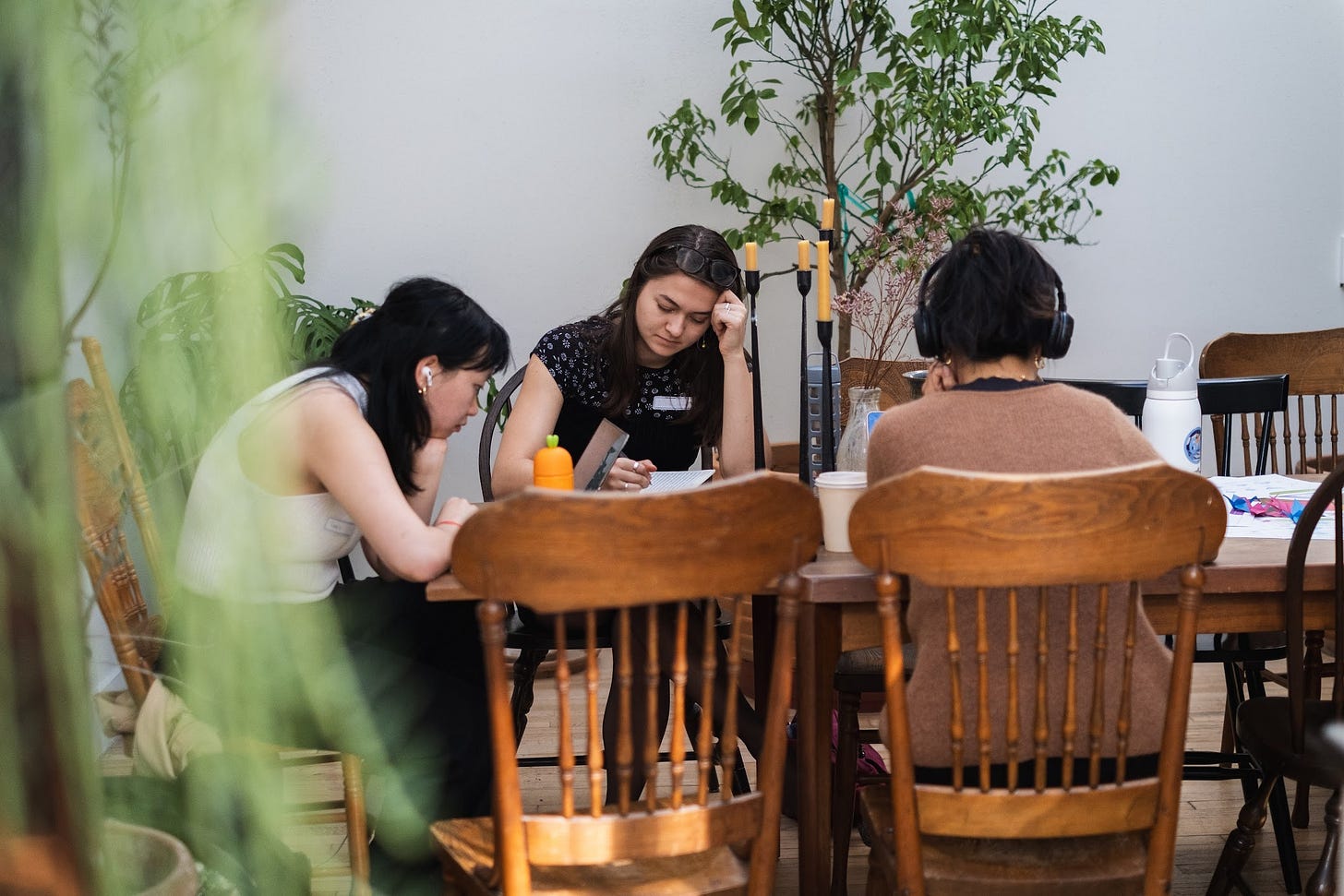
one of the early Cozy Sundays sessions
creating your container
For a gathering to take form, there needs to be something consistent and curated to center people around. This could be a theme, a space, a recurring ritual, or a specific community of people. As a host, you're creating a container and the magic comes when others feel empowered to bring their own creativity and energy into that space.
From the beginning of hosting Cozy Sundays, I've been firm about maintaining certain core elements: the ethos of working on passion projects (no "work work"), structured focus blocks, and consistent repeated interactions. Early on, I received feedback suggesting I change these foundations. Some attendees thought the biweekly frequency and low-stakes demos made each session less "desirable" and suggested fewer, more polished events to make the community feel more exclusive. Others wanted less rigid focus blocks, preferring something more cafe-like. Another person was frustrated by the "no work work" rule, wanting to use the time for life admin.
I loved that people cared enough to share this feedback, and I thought deeply about what changes to make. It made me question whether I'd set too rigid boundaries initially. But ultimately, I decided to ignore these pieces of feedback and stay true to the pieces I wanted to hold constant week to week. Now Cozy Sundays rotates hosts and experiments with time of day, themes (as of recent!) and demo formats. But we’ve stayed true to never making one session more important than another (it’s just another Sunday after all), maintaining the no _work-_work rule and enforced focus time. The community that has anchored around these values is stronger for having them entrenched.
I've learned that a large part of hosting is being opinionated enough to create clear containers that others can step into while flexible enough to evolve as new ideas emerge.
what to hold constant
Effective hosting requires choosing what to hold constant and what to let evolve. The key is identifying which axis of consistency will create the shared context that turns individual gatherings into community.
I think about this in terms of a few different buckets:
- Repeated interactions: The most obvious variable to hold constant is consistency over time. Regular group runs, weekly reading groups, or biweekly co working sessions deepen relationships through accumulated shared experiences.
- Common background or culture: Events centered around cultural holidays or practices build connection through shared identity. Hackathons are another example. There's a subculture that forms around the shared experience of building under time pressure, even across different events and organizers.
- Shared interest or domain expertise: When everyone cares deeply about the same thing you have instant common ground. This could be a tech talks, industry meetups, one-off workshops all benefit from this natural affinity.
- Strong thematic identity: This is one element that I think is often overlooked: you don't always need repeated interactions if your theme is distinctive and memorable enough. If people consistently associate a space, a group or organizer with a particular type of experience — eccentric parties, dinner parties or intimate music sessions — that thematic consistency can be just as powerful as temporal regularity. People will seek you out when they want that specific kind of gathering, even if months pass between events.
Without some form of consistency, whether across the axis of time, shared interest, people or theme, gatherings don’t feel like they are part of a larger story. Community, on the other hand, grows from familiarity and continuity that people can recognize and return to.
finding your culture carriers
As gatherings grow, it’s tempting to focus only on logistics: where, when, how many people. But what sustains a community is the culture that forms around the gatherings and culture doesn’t self-propagate. It’s held and modeled by a few key people I think of as culture carriers.
Culture carriers aren't always the loudest or most outgoing. They're the ones who consistently show up with warmth, generosity, and intention. They help others feel welcome. They ask good questions, cheer people on, and share vulnerably. When you find them, support them and get them even more excited about your vision. Invite them to co-host with you.
If someone makes you think “I hope they keep coming back,” that’s usually a good sign they’re a culture carrier (or on the path to becoming one). Texting those folks personally before an event has a very high return. This kind of invitation signals that their presence matters and I’ve found that it’s often what turns someone from an occasional attendee into a core member of a community.
For a recurring event series like Cozy Sundays, I've found it incredibly useful to have a backchannel group chat for hosts and culture carriers. It's a place where we can not just coordinate logistics but workshop event ideas and socialize concepts before announcing to the larger group (like getting a vibe check before introducing a $5 sliding scale donation). Getting people involved in this way makes them invested3 and part of building the community.
positive exclusion
I've learned that setting strong signals up front about what the gathering is and who it's for goes a long way toward shaping the right culture. If you want people to show up and work on passion projects, make that an expectation. If you want people to show up ready to run, call it a run club. If you want people to read the book before book club, state that clearly. Your gathering should have clear expectations that help the right people self-select in. That clarity also gives you permission to say no. Strong intentions and expectations attract the right audience just as much as they filter out poor fits.
As a people pleaser, I’ve struggled with saying no to people or selectively inviting. But I’ve started thinking about it in terms of preserving the culture and peace of the group. I like to follow the idea of positive exclusion4 — only people invited to the event should know it exists at all. It's not about manufacturing scarcity or having a low acceptance rate. Instead, I want to send out signals that naturally attract people who would be a good fit anyway.
In a high-density city like New York, there are so many people to meet and things to do that most of the time no one will even notice that they were silently taken off the invite list.
help people invest in the community
In every successful gathering, everyone feels more invested when they can contribute work they love doing. I learned this during a period of burnout with Cozy Sundays when I was holding too much context in my head and trying to do everything myself.
My breakthrough came when we introduced an optional $5 sliding scale donation for the weekly sessions. I was skeptical of charging for what I believed should be a free event, but encouraging a small donation actually helped people feel more invested and recognize the labor the hosting team was doing. Regular attendees who weren't previously contributing began consistently volunteering to host or bring snacks. I discovered that some hosts actually wanted to build their facilitation skills and relished the chance to run demos and develop skills they didn’t get to practice as much in their day jobs like public speaking, event pacing, logistics coordination. Most importantly, I started to feel supported by a group of consistent hosts who were excited to take full ownership of running sessions and building the community, not just help out with occasional tasks.
This principle played out beautifully during our Claude-a-thon collaboration last week with Anthropic. When the Claude team pitched the event, I shared it with our conspirators chat of regular hosts. Several people volunteered to take point, excited about the opportunity to work with an exciting partner. For the first time in Cozy Sundays history, I could step back from logistics and experience the magic as an attendee. The hosts, Cat and Zainab, given full ownership and direction, executed brilliantly.
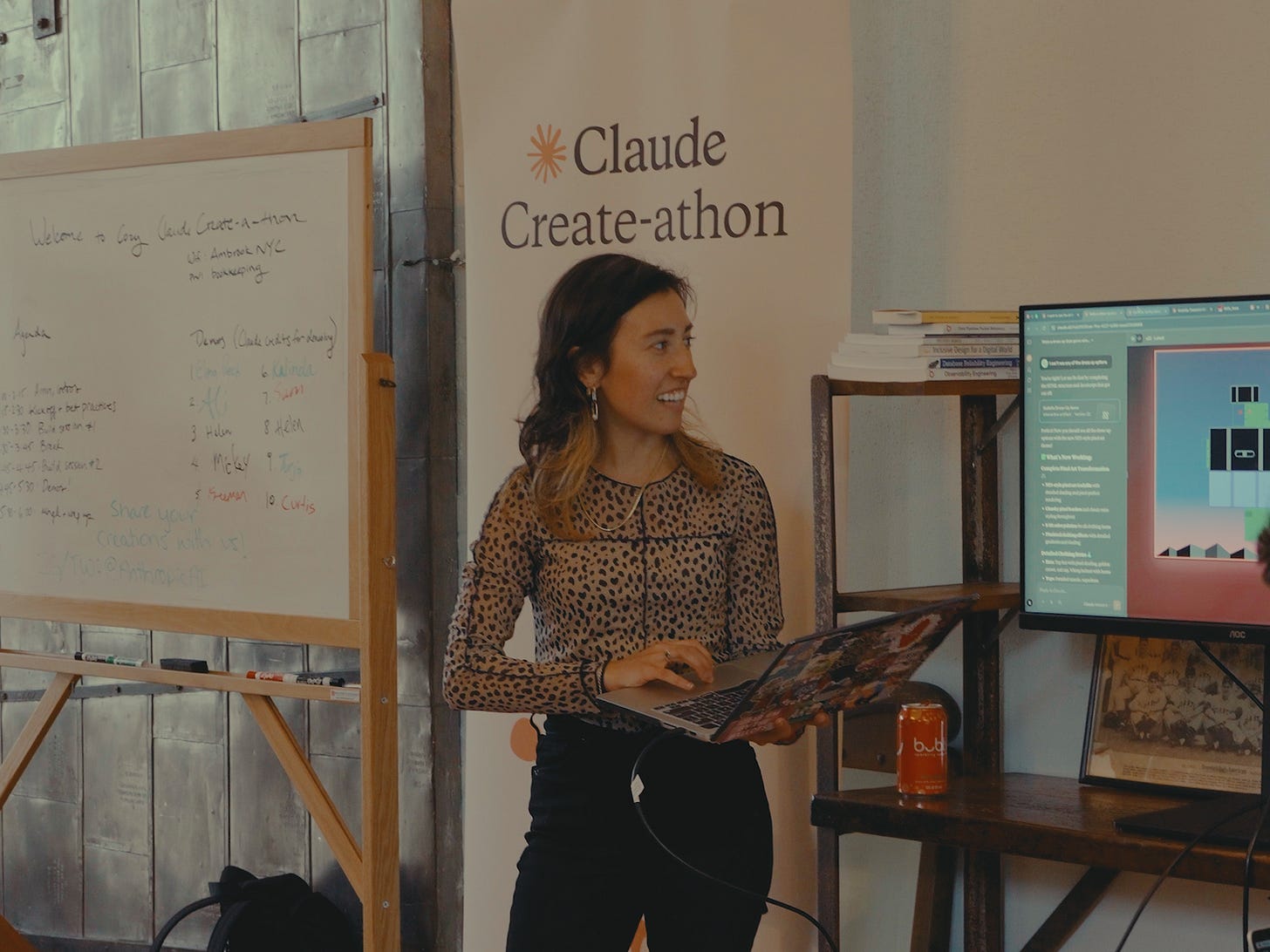
one of the Claude create-athon demos
The most powerful version of this happens when you create opportunities for people to showcase skills they don't get to use in their day jobs. When I co-hosted a Ramps event with Little Poutine last year, we collaborated with Stephen Pungello, who was working at a starred restaurant in DC at the time, not as a private chef but as an expert speaker. He was thrilled to have the spotlight on his expertise rather than just his labor. After giving an educational and wildly entertaining talk, he spent time with guests who had endless questions about his foraging knowledge and culinary experiences. Similarly, my dear friend Jalena, a consultant-by-day who has studied at culinary institutes and hosts supper clubs, took full ownership of designing and executing the entire menu for a quirky lettuce party5 I helped organize. She handled everything from concept to logistics to execution. I was worried about asking her to take on something that felt like work, but she insisted it was energizing to flex her creativity and skills for such a unique event.
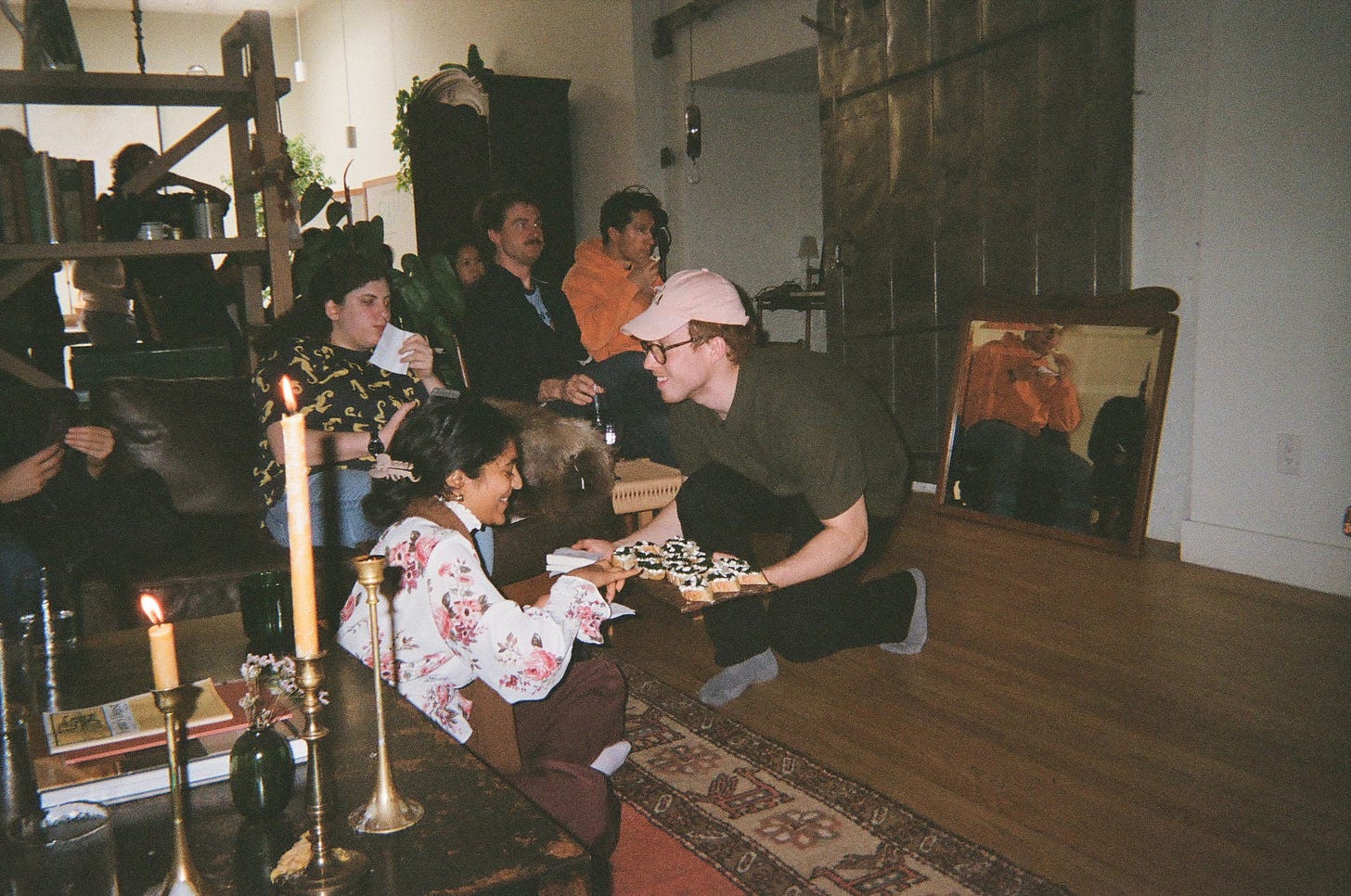
attendees trying ramp ricotta toast at the ramp event
What I realized is that for almost every job that needs doing, there's someone in your community who would love to do it. Your role as a host evolves from doing everything to creating opportunities for others to contribute meaningfully. It's natural to start off being the person sending invites, coming up with themes, setting up and cleaning up. But successful gatherings happen when everyone feels they can contribute work they love (or at least don't mind doing6).
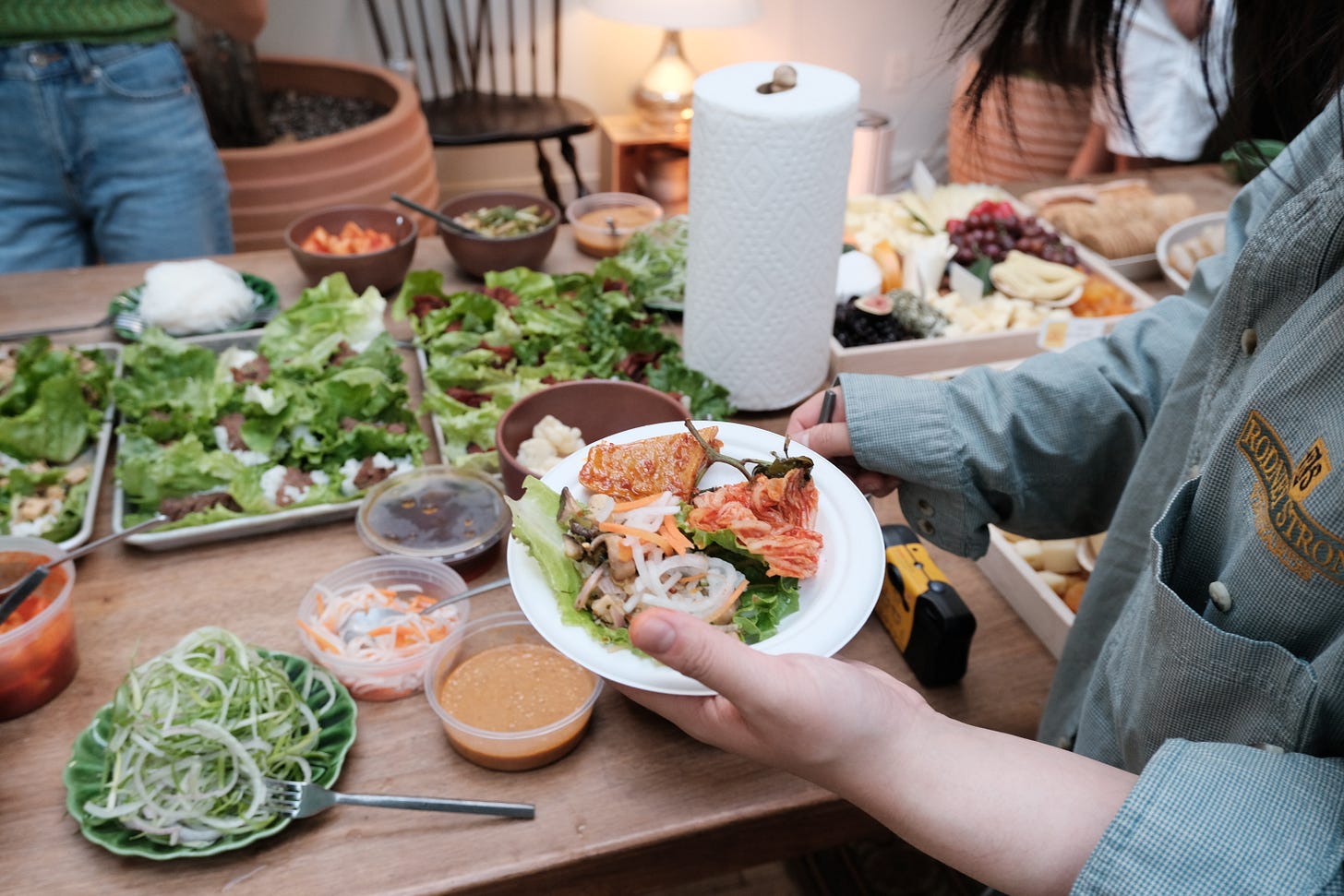
lettuce party bites
Hosting intentional gatherings is ultimately about creating the conditions where meaningful connections and creative work can flourish. What I've learned is that great hosting isn't about perfect execution. It's about being thoughtful in your choices by knowing what to hold constant and what to let evolve, recognizing and nurturing the people who carry your culture forward, and gradually shifting from doing everything yourself to creating opportunities for others to contribute in their zone of genius.
I'm still workshopping many of these ideas and would love your thoughts :)
recently
A little snapshot of what I’ve been up to and what’s on my mind.
the gatherings
some things I’ve played a part in hosting the last two weeks that led to these reflections
-
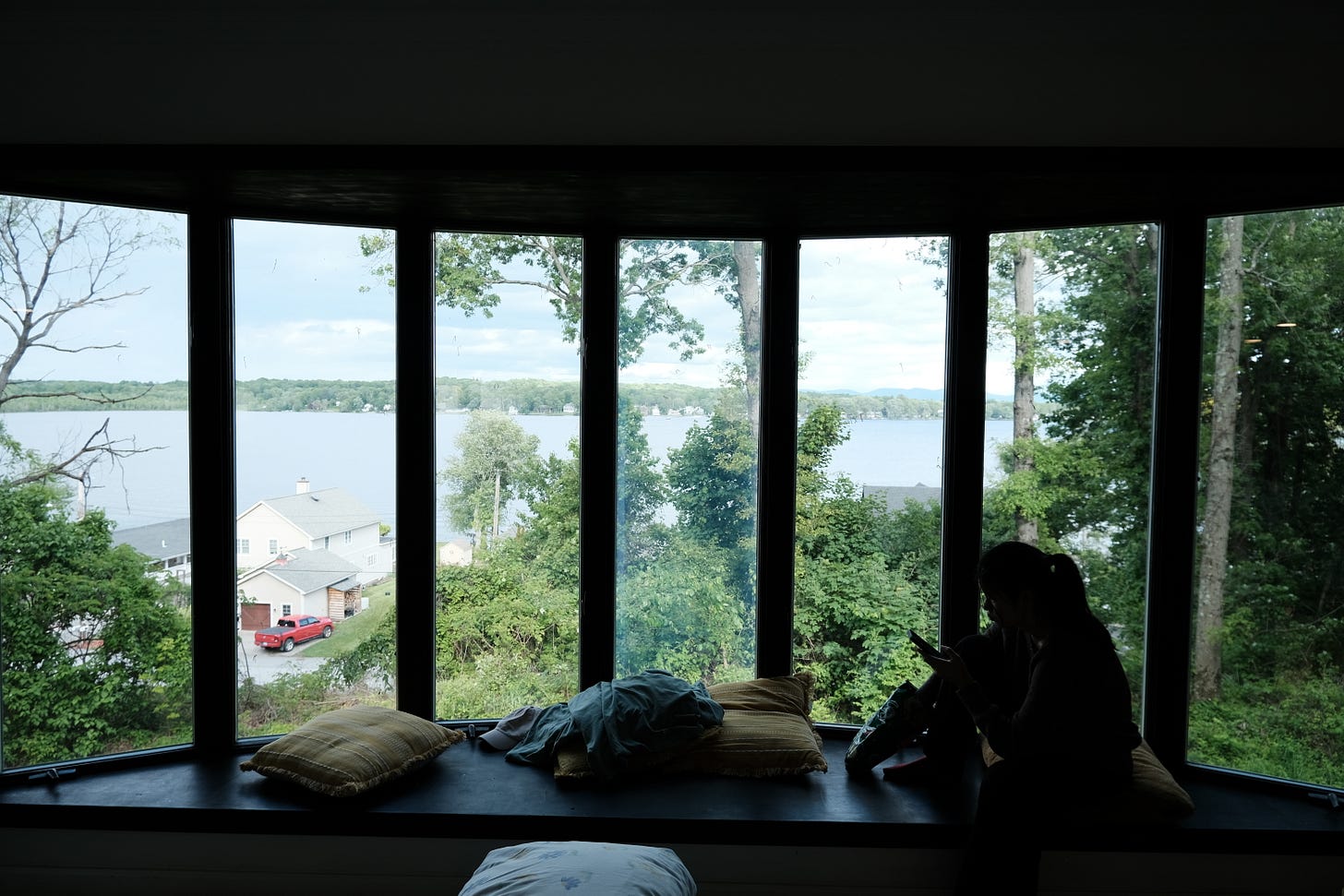
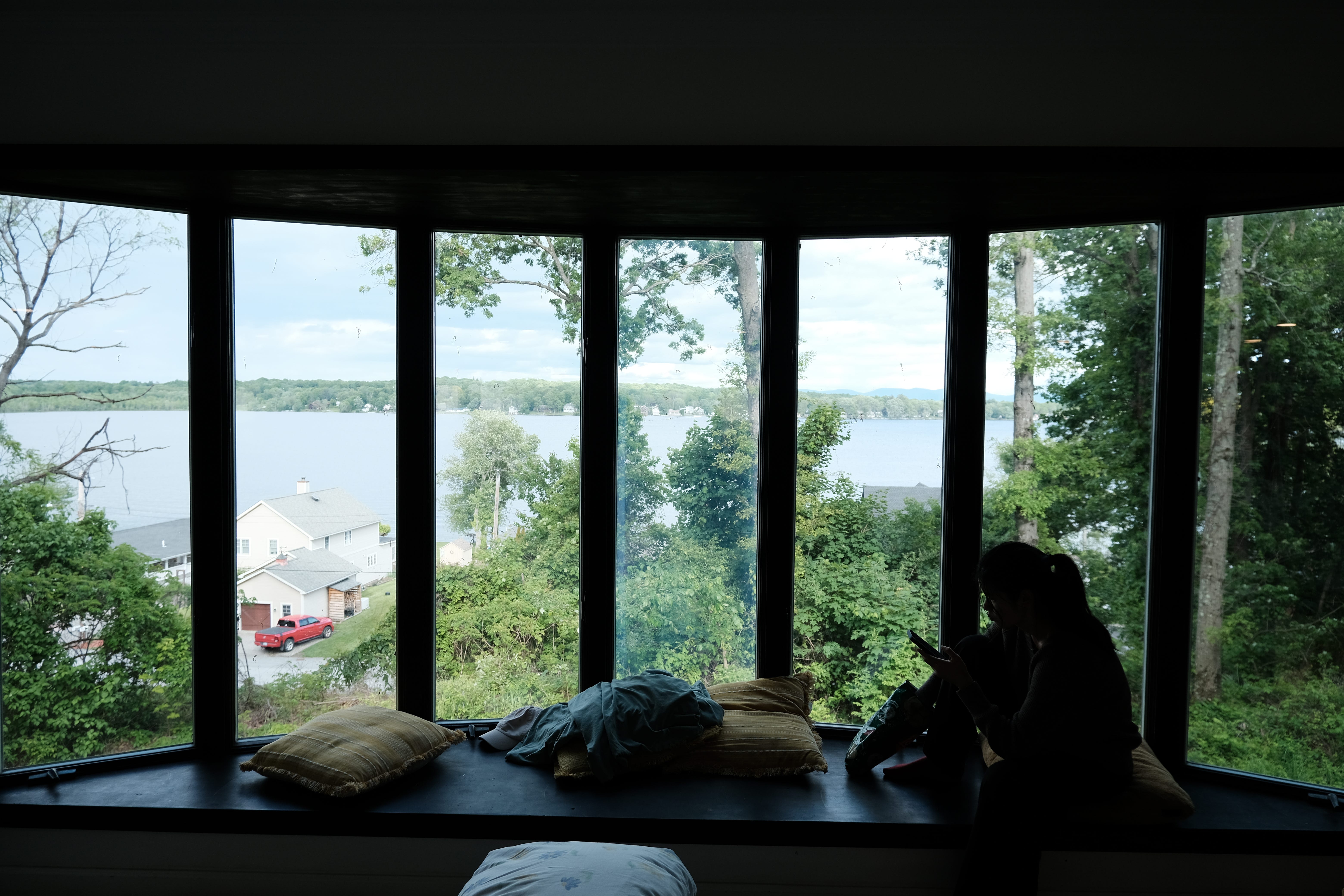
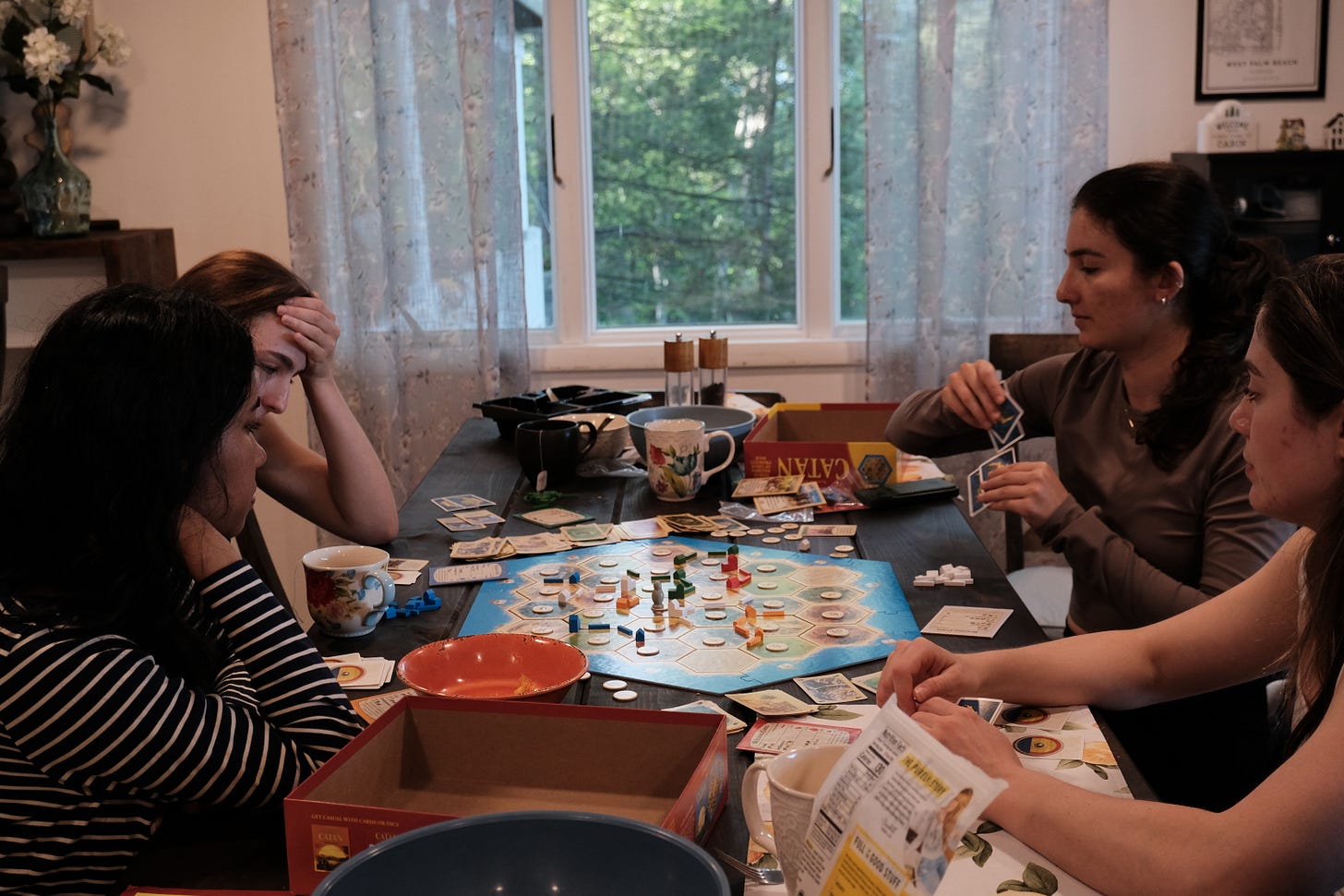
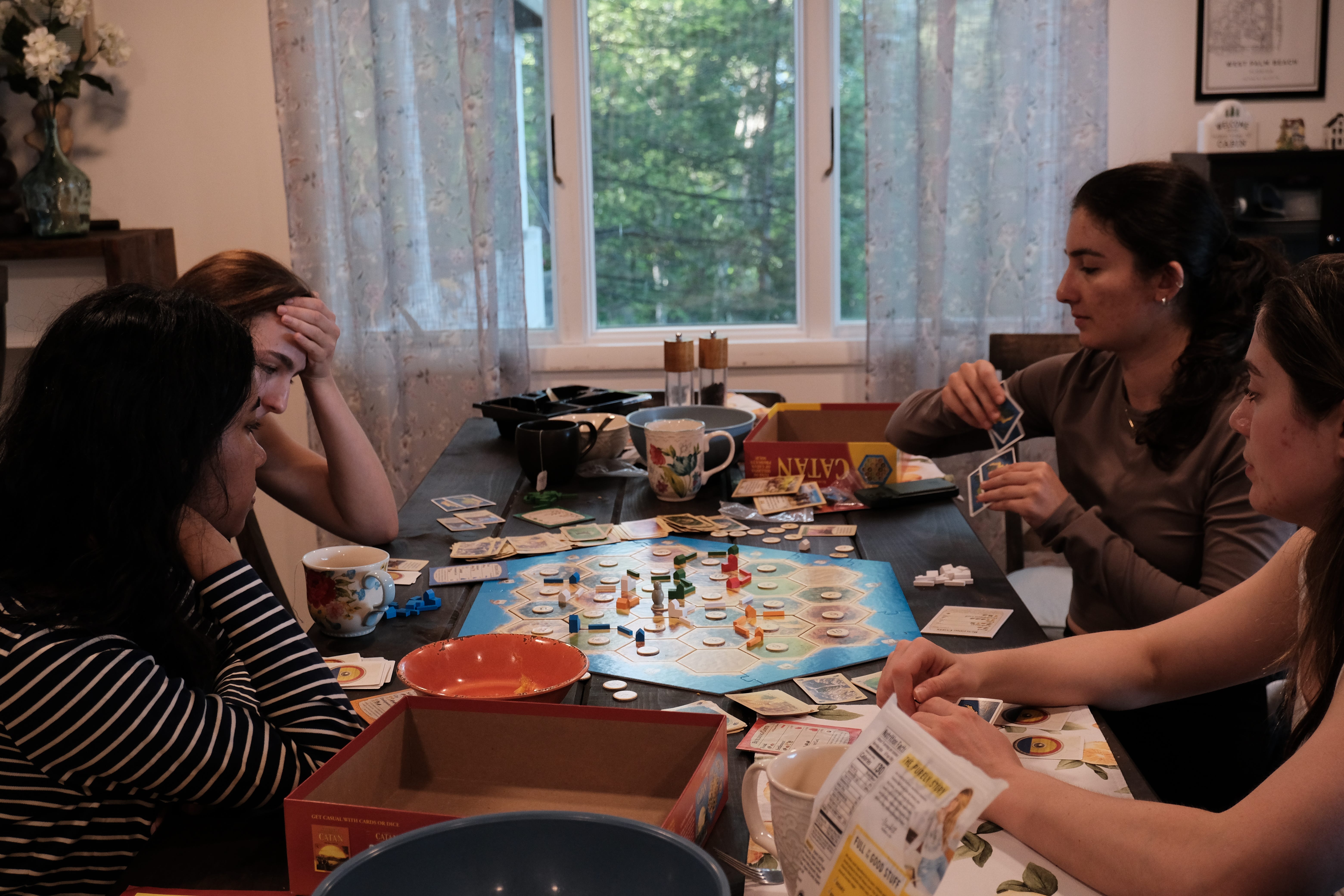
Memorial Day Weekend Trip. It was so wonderful and energizing to do a weekend getaway with a group of workaholic girls. We belted show tunes in the car, went to the Severance waterfall in Minnewaska State Park, swam in the lake and played Catan (now I really want to play more Catan).
[
](
 )
) -
Interact BBQ. I helped organize event for the NYC Interact community, a technology fellowship that we are both part of. We had some last minute shuffles with weather uncertainty and moved the rooftop bbq plan indoors (shoutout Dan for letting us take over his apartment!). Kathryn ordered a bunch of things from Costco and re-plated them into dish ware. The best party hosting trick I learned was that Costco sells cocktail shrimps.
-
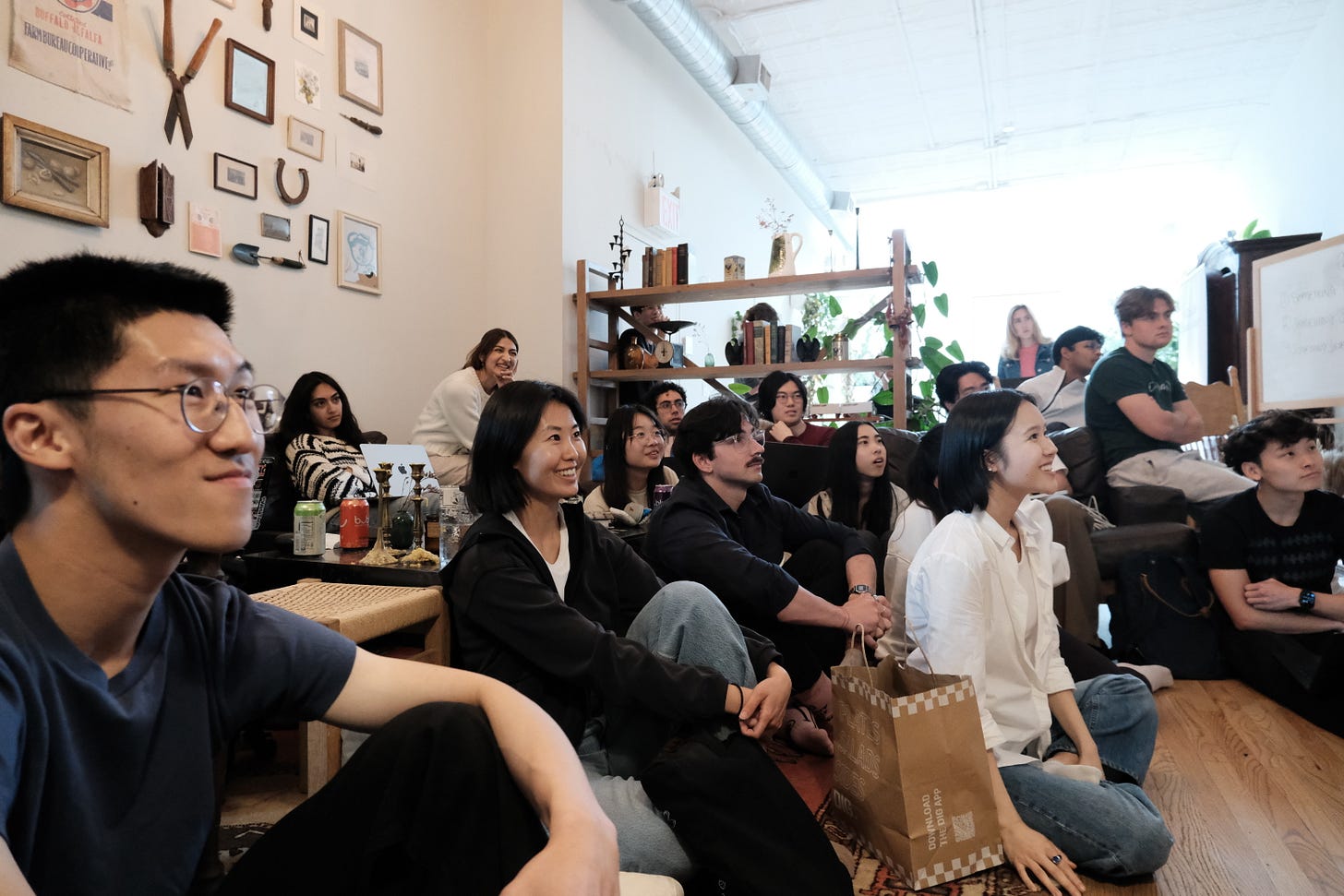
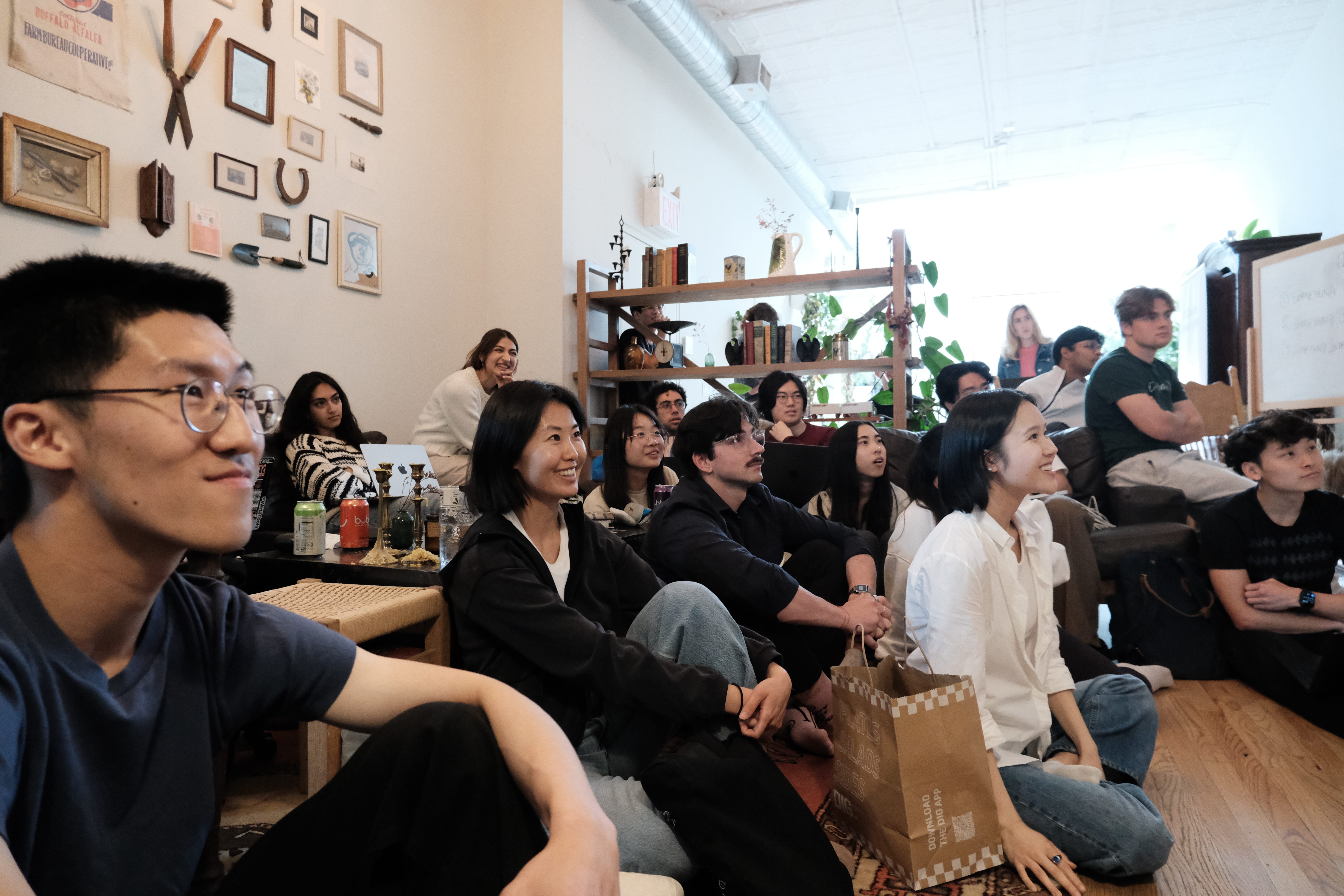
Cozy Sundays x Claude-a-thon. I was so inspired and energized by all the demos (Anthropic tweeted a thread about some of these) from the attendees. The hosts came up with the prompts to guide attendees to build something useful, something beautiful and something interactive. People were so creative. We had folks rendering 3D worlds, multi-player games, dancing noodles, interactive apps and more. I left the event way more impressed by the capabilities of AI than I expected. The environment of accountability to build something, without the pressure of prizes or monetary rewards typical of hackathons, felt freeing.
[
](
 )
) -
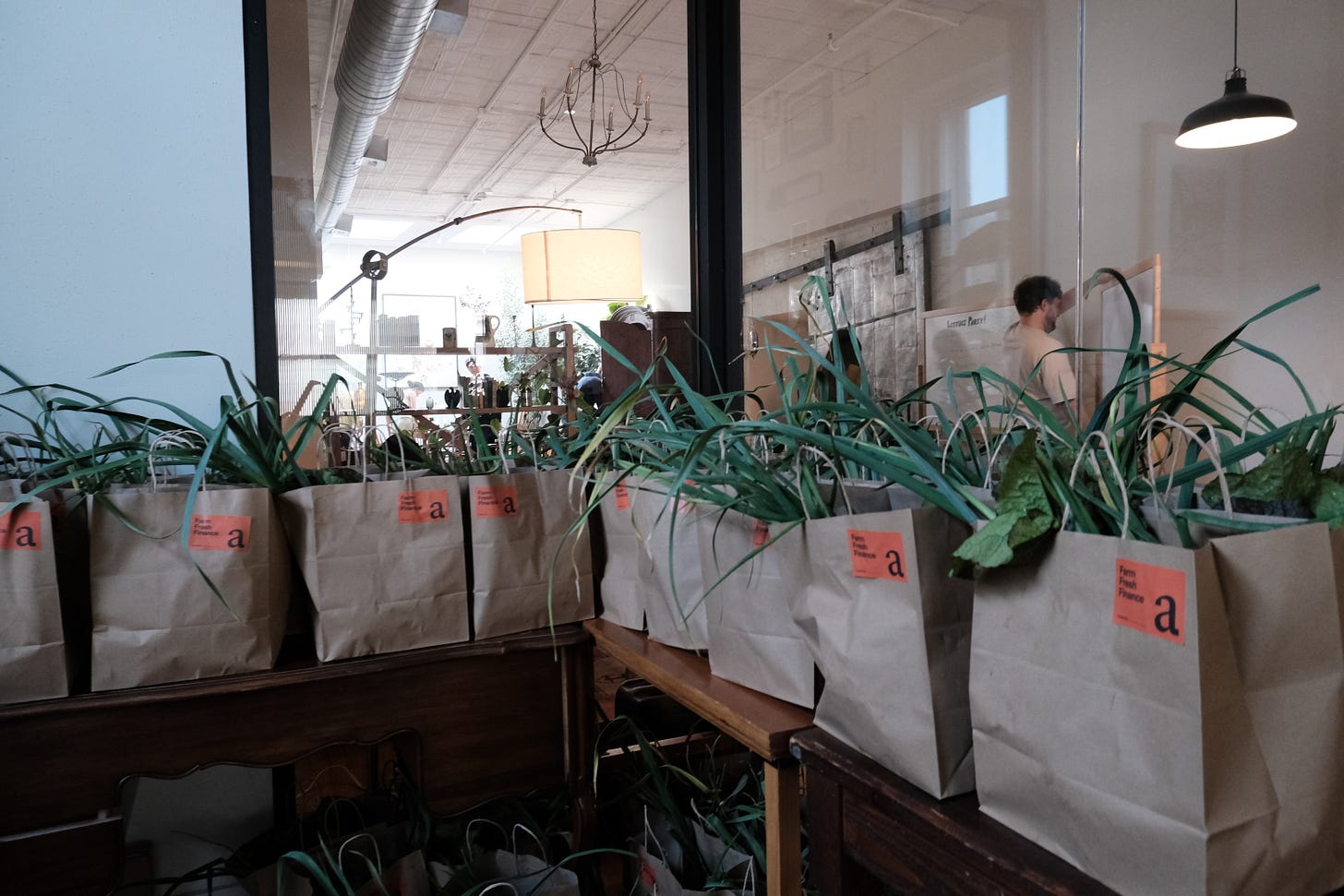
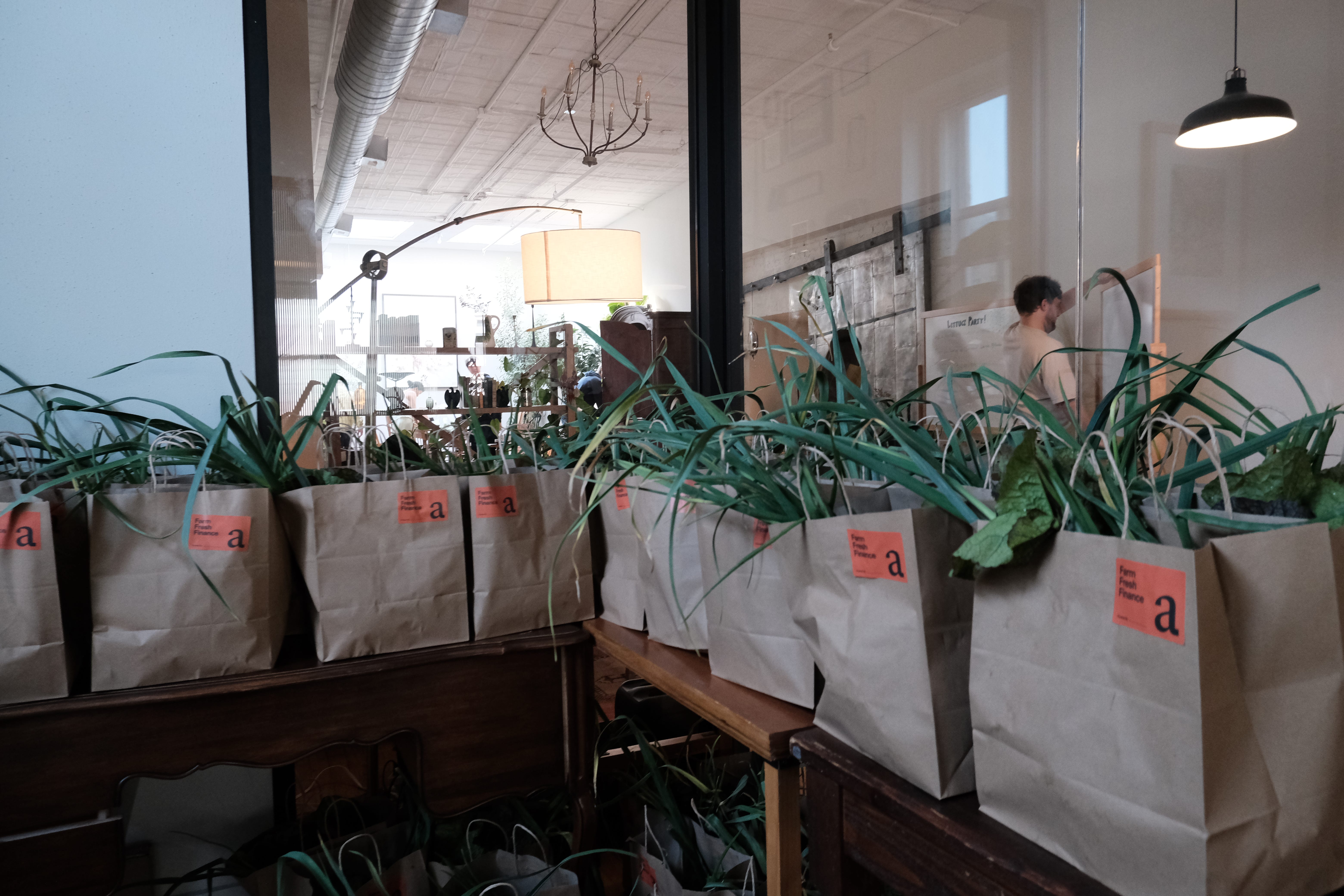
Lettuce Party. We hosted a lettuce part at work where more than a hundred people came to the office for guided lettuce tastings, delicious lettuce wraps, green drinks and were asked to dress lettuce core. We had these CSA bags from Aura farms for guests to take home a goodie bags.
[
](
 )
)
top of mind
-
Exhalation. Just finished this! Please send more sci-fi short story recs. This book was mind-bending in how it made me re-evaluate language, time, and our relationship with technology.
-
Gentleman in Moscow. Finally picked this up after multiple friends recommended it throughout the year.
-
Catan. Please someone play Catan with me.
[
](
 )
) -
I've been developing my photography skills. I photographed my friend’s engagement party last week and it was so fulfilling to be able to translate the magic or the moment into images as I'm getting more comfortable with my camera and photography overall. Thanks Annie for sending me a bunch of pro tips on Fujifilm camera settings and how to play with lighting and noise.
Until next time <3
1 I wrote a piece on the Art of Gathering on the Ambrook blog a few weeks ago, focused on events I hosted at work. If you read it, let me know what you think!
2 Many of the ideas in this essay emerged from countless discussions with Cozy Sundays cohosts and regulars that I later synthesized into a onboarding document for new hosts.
3 Much of what I've learned about world building and bringing people into a community vision comes from Joss and Anson. Joss's essay on World-building IRL articulates these ideas far better than I could.
4 Inspired by Maggie Appleton’s term Positive Exclusion which she coined in her essay Gathering Structures.
5 There are no typos. We actually hosted a lettuce themed party.
6 I took a lot of inspiration from the idea of finding your Zone of Genius, the intersection of what people are naturally good at and what gives them energy.